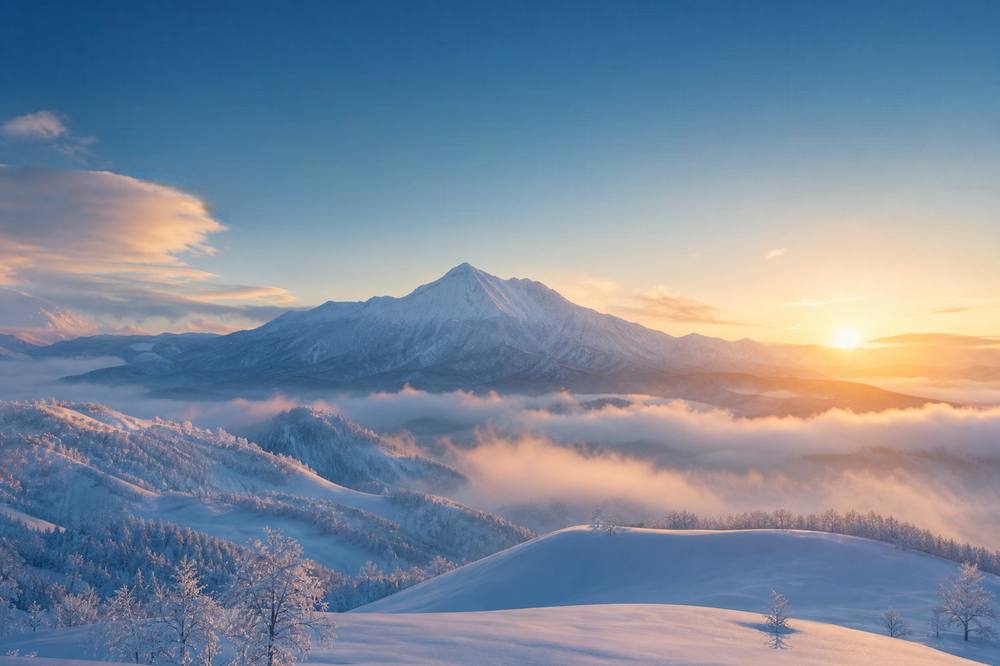
Hokkaido in winter is something else. Powder snow, steaming hot springs, seafood at its best, and towns that glow under the snow at night. It is also a place where a little preparation makes a big difference. Here is what a local would tell you before your trip.
It is cold — but probably not how you imagine
In Sapporo, the average January high is just below freezing (about -0.4°C) and the average low is around -6°C. That is cold, but very manageable with the right clothes.
Inland towns are a different story. In places like Asahikawa or Furano, nights well below -20°C are not unusual in the coldest weeks.
The trick is layers. Buildings, trains and shops in Hokkaido are well heated, so you will be taking your coat off and putting it back on all day. A warm base layer, a sweater or fleece, and a windproof coat work better than one huge jacket.
Your shoes matter more than your coat
Most winter injuries for visitors come from slipping, not from the cold. Sidewalks freeze into smooth ice, especially at crossings where cars have pressed the snow flat.
Bring waterproof boots with deep grip soles. Soles made of natural rubber are best: they stay soft in the cold and grip the ice far better. Leave high heels at home — on icy sidewalks they are very easy to slip in. Another easy fix is slip-on ice grips: small rubber straps with metal spikes that stretch over the shoes you already have. You can buy them online before your trip, and stores in Hokkaido sell them in winter too. Skip the very cheapest ones, though. Their spikes tend to fall out after a few days, so you end up buying again. A pair made so the spikes stay firmly in place costs a little more, but lasts much longer. A local tip: in January and February, the streets around Odori in Sapporo, where the Snow Festival is held, get especially slippery. With ice grips on, you can enjoy the walk without watching every step. Just remember to take them off on dry pavement or tiled floors indoors: the spikes clatter loudly and can slip on smooth tiles. Walk with small steps, keep your weight over your feet, and take extra care on slopes and at the entrances of stations and shops. In Sapporo, you will see boxes of sand at many crossings — they are there to be scattered on icy spots, and anyone can use them.
Sapporo also has long underground walkways connecting Sapporo Station, Odori and Susukino, so you can cover a lot of the city center without stepping onto the ice at all.
The days are short
In December and January, the sun sets in Sapporo a little after 4:00 PM. That changes how you plan a day.
Put outdoor sightseeing and long drives in the morning and early afternoon. Save hot springs, dinner and illuminated night views for after dark — that is when Hokkaido’s winter evenings are at their best anyway.
Driving in snow: possible, but plan for it
Many visitors rent a car in Hokkaido, and in winter it can still be a great way to travel. Rental cars here are normally fitted with winter tires in the snow season, but always confirm when you book.
A few things to keep in mind:
- Allow much more time than the map says. Snow and ice slow everything down.
- Watch for “black ice” — roads that look wet but are frozen, especially on bridges, at tunnel exits and in the early morning.
- Avoid driving after dark on unfamiliar mountain roads.
- If a blizzard is forecast, change your plan. Visibility can drop to almost nothing in a “whiteout”.
It is also worth keeping a few pieces of gear in the car, in case you get stuck in snow:
- A portable shovel to dig the snow away from your tires.
- A tow rope, so another car can pull you out.
- Two recovery ladders (traction boards) to put under the tires and give them something to grip. Two is enough; you do not need four.
- Work gloves, because digging out a car with bare hands in the snow is cold and painful.
Most important: if you get stuck, do not panic and floor the accelerator. Spinning the wheels only digs the car deeper into the snow, and then there is no way to get out on your own. Here is what to do instead:
- Get out and look. Check how deep the car is stuck before doing anything else.
- Dig out the drive wheels. On a front-wheel-drive car, clear the snow around the front tires; on a rear-wheel-drive car, the rear tires. Then push the recovery ladders under those tires.
- Press the accelerator slowly. Watch that the tire rubber is biting into the ladder as you go. If friends or family are with you, have them push the car at the same time.
If you keep the engine running while you wait, make sure the exhaust pipe at the back is not blocked by snow, or exhaust fumes can build up inside the car.
Ask your rental company what is already in the car. Anything missing can be bought at car shops such as Autobacs and Yellow Hat, or at home centers such as DCM (formerly Homac), which you will find all over Hokkaido.
You will also need the right license. Japan accepts an International Driving Permit issued under the 1949 Geneva Convention. Drivers from Taiwan, France, Germany, Switzerland, Belgium and Monaco need an official Japanese translation of their license instead. Check the rules for your country before you travel.
Leave room for the weather
Heavy snow can delay or cancel trains, buses and flights. It does not happen every day, but it does happen. Try not to plan your trip so tightly that one delay breaks the whole schedule, and avoid booking your flight home for the same day as a long overland journey.
Let TAO plan around winter for you
Planning a winter trip in Hokkaido means thinking about short days, slower roads, and places that close for the season. That is exactly what TAO does for you.
Tell TAO what you love — food, hot springs, nature, culture — and it builds a day-by-day itinerary with realistic travel times and places that are open when you visit. Made by a local who knows Hokkaido inside out.
👉 Plan your Hokkaido trip at tao.n43works.com